THE LEADER poem question answers


A1.1 Read the poem and answer the questions that follow:                                         [8 marks]


THE LEADER

1.           Patient and steady with all he must bear,

Ready to meet every challenge with care,

Easy in manner, yet solid as steel,

Strong in his faith, refreshingly real.

5.           Isn't afraid to propose what is bold,

Doesn't conform to the usual mould,

Eyes that have foresight, for hindsight won't do,

 Never backs down when he sees what is true,

Tells it all straight, and means it all too.

10.        Going forward and knowing he's right,

even when doubted for why he would fight,

Over and over he makes his case clear,

 reaching to touch the ones who won't hear.

Growing in strength he won't be unnerved,

15.        ever assuring he'll stand by his word.

Wanting the world to join his firm stand,

Bracing for war, but praying for peace,

Using his power so evil will cease,

So much a leader and worthy of trust,

20.        Here stands a man who will do what he must.


Q1. The above poem refers to _________________________.

Q2. ‘Doesn’t conform to the usual mould’ suggests the person being described is ___________

Q3. The true qualities of a true leader are ____________ and ____________(any two)

Q4. The leader would fight war bravely but __________.                                                              

Q5. Using his power so evil will cease: Here cease means _______.

Q6. Find the antonyms of the following words from the passage

A.       Insight [lines 5-7]

B.      Conflict [lines 15-17]

Q7. Find the synonyms of the following words from the passage:

A.         Accurate [lines 8-10]

Meeting at Night Robert Browning Question Answers


1. What is the symbolic significance of the ‘Three-fields’ described in Meeting at

Night?

Answer: Getting down from the ship, the poet-lover, warm with feelings at the hope of meeting the beloved after so long a time as stated in Meeting at Night by Robert Browning, walks a mile on the beach. Then he crosses three fields. These three fields are symbolic of the three socio-personal aspects which cause obstruction in continuing the love affair. They are the prohibition of Elizabeth’s father, the disparity in the social-classes between Browning and Elizabeth, and finally the geographical difference between London and Florence where the poet-lover and the lady-love are respectively living at this time. At last the poet comes to the farm where his beloved is supposed to live.

 2. “And a voice less loud, thro' its joys and fears,

Than the two hearts beating each to each” - explain the lines.

Answer: Meeting at Night narrates how the lyrical voice sails across the sea to reach his/her beloved one. The poem constructs a sense of movement that imitates the lyrical voice’s longing to reunite with his/her lover. After the "tap at the pane" and the lighting of the match, a voice speaks. Based on what we all know of such "meetings at night" from fairy tales and the like, it looks possible that the voice is that of the woman in the house.

However, the voice is less loud than the hearts of the two lovers. That sounds quite strange

(we do not typically think about heartbeats as something so loud we can hear), but it suggests that the two lovers are so excited that their hearts beat louder than a human voice. Moreover, Meeting at Night allows the reader to experiment the point of view of the lyrical voice, showing his passions and emotions and how they affect his/her point of view.

3. Describe the nocturnal journey the lover has undertaken to meet his beloved

in Meeting at night.

Answer: Browning’s poem, “Meeting at Night”, is primarily an account of a lover’s journey to meet his ladylove secretly at night. The lover takes up a long journey in the sea and on land to reach his destination. First, he sails in a boat in the grey sea. The land looks black. The speaker moves on towards the land. The yellow moon is rising. It looks large and low. The waves are very active and playful and dancing in joy. They look like fiery ringlets. The speaker moves on until his boat hits the slushy sand. He lands on the beach, walks a mile on the sea beach and crosses three fields to reach his destination, a farm house where his beloved lives.

There, he taps at the window-pane. His ladylove responds by lighting a match within. In this way, the lovers overcome all obstacles and finally meet his beloved.

4. Describe the Nocturnal Atmosphere in Meeting at Night.

Answer: Robert Browning gives a vivid description of the nocturnal atmosphere in his

poem “Meeting at Night”. A lover undertakes a long journey at night to meet his beloved. He sails in a boat in the sea. The shadows of the dark night are falling rapidly and the sea appears grey. When he reaches the beach, darkness engulfs the atmosphere and the land appears long and black. The moon appears ‘yellow’, ‘large’ and ‘low’. Evidently the rising of the moon in the early evening has been suggested. The sea beach is still warm after getting the scorching heat of the sun throughout the whole day. The feeling of the nocturnal atmosphere is heightened by the silence and darkness. The silence is so reformed that even a sharp scratch of match stick on match box or a gentle tap on the window pane is clearly heard. The darkness is so intense that the blue light of the match stick is visible. The ladylove’s voice comes in a whisper. The eager beating hearts of the lovers make a sound louder than the voice of the ladylove. Thus, the atmosphere of the night helps in augmenting the effect of the poem.

5. Briefly discuss the images that we find in Browning's poem "Meeting at

Night".

Answer: Browning's poem "Meeting at Night" is loaded with images that enhance the

sensuousness of the narrative. The images found in the poem are those of the "grey sea", "long black land", "yellow half-moon", "startled... waves", "slushy sand", "warm sea scented beach", and "three fields" together make the description enchanting, adventurous, passionate, daring and sensuous. These images help Browning to catch the longing desire of the couple to meet one another. The speaker makes an excellent effort to overcome all the obstacles in the way and is rewarded with a meeting with his beloved. With these images and with the daring effort of the narrator, the poet brings home the truth: Amor Vince Omnia which means love conquers all.

6. How does the poet describe the sea in the poem "Meeting at Night"? How

does the poet describe the night?

Answer: In the poem "Meeting at Night", the poet describes the sea as both enchanting and romantic. The sea appears to be grey and therefore the waves are startled at the disturbance created by the boat of the narrator. There is a cove and slushy sand that is followed by a heat ocean scented beach.

The night is additionally attractive with a yellow half-moon that makes the sea look grey and therefore the land look dark. It is the time when there's no one around and solely those who have a mission to accomplish venture out. In the dark night, the blue spurt of a lighted match could be seen clearly. Undoubtedly, lighted match is a symbol that the darkness of the land has ignited the passion of the lovers who meet secretly under the cover of the night.

7. "As I gain the cove with pushing prow / And quench it's speed in the slushy

sand" what is a cove? What do you mean by “quench its speed "?

Answer: Cove may be defined as a sheltered place in the shore. In this poem it signifies that the narrator has reached the shore. By the expression "quench its speed", here the poet means the gradual slowing down and eventually stopping of the boat of the lover. The lover, in his mission to meet his beloved has travelled all the way to the shore in his boat and now he pulls the boat in the slushy sand by taking it out of the water. The word "quench" means gratification of the thirst. Taking out the boat from the sea disconnects it from water source.

Hence it has been poetically referred to as quenching of speed.

8. Explain the significance of the title of the poem "Meeting at Night" by Robert

Browning

Answer: The poem "Meeting at Night'' describes the lover's secret meeting with his beloved in a distant farmhouse. The lover undertakes a long journey across the sea and the land at night. The lover overcomes hardships and obstacles to fulfill his mission of love. He lands on the beach and walks a mile along the warm sea- scented beach. Then he crosses three fields to reach the farmhouse where his beloved lives. The lover makes his presence felt by taping at the window pane. Then his beloved lights a match and stars whispering with him. They are locked in warm embrace in the midst of joys and fears. The secret meeting of the two lovers is symbolically suggested by the title. Hence, the title of the poem is quite justified.

9. Write the substance of the poem Meeting at Night.

Answer:-The Robert Browning’s poem, Meeting at Night as the title shows it, is about a

meeting at night of a couple who are in love with each other. To meet the woman, the man should do a very long journey through the sea with his boat, walking through three fields, until he arrives at a farm. Still, he has to be very careful when meeting her because exactly they are not allowed to meet each other. That’s why the person comes at night and they should talk with a very soft voice. This poem is telling us about the process of a relationship.

When someone could not find his love, he would feel so lonely in life. Robert Browning

represented it with the phrase “the grey sea and the long black land”. Love can be aimed to someone or dream. Then, to be able to reach his love, he passed through many challenges and restrictions. However, he did it happily since he is optimistic. After all the hassles, he succeeds to find what he’s been looking for. The loneliness then is gone and turned into brightness “And blue spurt of a lighted match”. Finally, he got what he had been dreaming about.

नरसिंह अवतार की कहानी


तिहास में हिरण्यकशिपु के नाम के विषय में मतभेद है। कुछ स्थानों पर उसे हिरण्यकश्यप कहा गया है और कुछ स्थानों पर हिरण्यकशिपु। लेकिन हमारा मानना है की उसका नाम हिरण्यकशिपु है। हिरण्यकश्यप लोग इस लिए बुलाते हैं  क्योंकि वो कश्यप ऋषि का पुत्र है। जय और विजय अपने पहले जन्म में हिरण्यकशिपु और हिरण्याक्ष के रूप में जन्मे। हिरण्यकशिपु एक असुर था जिसकी कथा श्रीमदभागवतपुराण और विष्णु पुराण में भी आती है। उसका वध नृसिंह अवतारी भगवान विष्णु द्वारा किया गया। यह हिरण्यकरण नामक स्थान का राजा था जो अभी वर्तमान में भारत देश के राजस्थान राज्य में स्थित है, जिसे हिण्डौन के नाम से अब जाना जाता है।

कश्यप ऋषि की अनेक पत्नियां थी, उनमे से एक दिति थी। दिति के दो पुत्र थे हिरण्यकशिपु और हिरण्याक्ष। सत्य युग में विष्णु जी ने वराहावतार लेकर हिरण्याक्ष को मर उसके अत्याचार से मुक्त किया। लेकिन उसका भाई हिरण्यकशिपु जो दैत्यों का महाबलशाली राजा था। वो विष्णु से अपने भाई (हिरण्याक्ष) का बदला लेना चाहता था। इसलिए हिरण्यकशिपु ने गुरु शुक्राचार्य से परामर्श किया। गुरु शुक्राचार्य ने कहा की उनके बताये गए तपस्या को अगर तुम कर लेते हो तो ३ लोकों (कों मृत्युलोक, स्वर्ग लोक, नर्क लोक) में तुमसे बड़ा कोई शक्तिशाली नहीं होगा।

ऐसा जानकर हिरण्यकशिपु कठोर तपस्या करने लगा। उसने ऐसी कठोर तपस्या किया, जैसी अभी तक किसी ने ऐसी तपस्या नहीं की। हिरण्यकशिपु ने ब्रह्मा से वर माँगा कि "कोई भी मनुष्य, स्त्री, देवता, पशु-पक्षी, जलचर इत्यादि, न ही दिन में और न ही रात्रि में, न घर के बाहर और न घर के भीतर, किसी भी प्रकार के अस्त्र-शस्त्र से उसे मार नहीं पायेगा।" यह वरदान प्राप्त कर हिरण्यकशिपु को यह भ्रम हो गया की अब वो अमर हो गया है। अपनी अमरता के उन्माद में सब पर अनेकों प्रकार से अत्याचार करने लगा और अपनी बलपूर्वक पूजा करवाने लगा। वह चाहता था कि सब लोग उसे ही भगवान मानें और उसकी पूजा करें। उसने अपने राज्य में विष्णु की पूजा को वर्जित कर दिया।

 ऐसे असुर के घर एक महान विष्णु भक्त प्रहलाद ने जन्म लिया , प्रह्लाद की माता का नाम कयाधु था । बचपन से ही प्रह्लाद खेल को छोड़कर विष्णु भक्ति में लीन रहता था । उसके पिता हिरण्य कश्यप को यह बात बिल्कुल भी अच्छी नहीं लगती थी , उसने प्रहलाद को प्रभु विष्णु की भक्ति से हटाने के लिए बहुत सारे प्रयत्न किए । परंतु जब उसके सारे प्रयत्न निष्फल हो गए तो उसने प्रह्लाद को मारने का निश्चय किया ।

भक्त प्रह्लाद को मारने के प्रयास जब प्रह्लाद असुर जाति में प्रभु विष्णु का गुणगान करता था, तब हिरण्यकश्यप इसे अपनी पराजय समझता था । उसने प्रह्लाद को मारने के अनेकों प्रयास किए, कभी उसे पर्वत से फेंक दिया परंतु भगवान श्री हरि की कृपा से हर बार उसे प्रभु ने अपनी गोद में थाम लिया। कभी उसने प्रहलाद को विष देने का प्रयत्न किया, तो प्रभु की कृपा से उस विष का प्रभाव भी खत्म हो गया ।

जब प्रह्लाद को मारने का कोई भी उपाय शेष नहीं रहा तब उसने अपनी बहन होलिका को प्रह्लाद को मारने को कहा| हिरण्यकश्यप की बहन होलिका को ब्रह्मा जी से वरदान प्राप्त था । उसके पास ऐसा वस्त्र था, जो आग में नहीं जलता था ।

फाल्गुन मास की पूर्णिमा के दिन प्रह्लाद की बुआ होलीका प्रह्लाद को लेकर लकड़ियों के ढेर पर बैठ गई और लकड़ियों को आग लगा दी गई परंतु श्री हरि की कृपा से ब्रह्मा जी का वह दिव्य वस्त्र प्रह्लाद के ऊपर आ गया , जिसके प्रभाव से प्रह्लाद का बाल भी बांका ने हुआ और दुष्टता की प्रतीक होलिका उसी अग्नि में जल गई तभी से प्रति वर्ष होली का त्योहार मनाया जाने लगा ।

 होलिका दहन की घटना को असत्य पर सत्य की जीत के रुप में मनाते हैं. यह घटना फाल्गुन पूर्णिमा को हुई थी, इसलिए हर साल इस तिथि को होलिका दहन करते हैं. उसके अगले दिन होली खेली जाती है.

नरसिंह भगवान का जन्म जब प्रह्लाद को मारने का आखरी प्रयास भी विफल हो गया तब हिरण्यकश्यप गुस्से से तिलमिला उठा , उसने प्रहलाद को अपनी सभा में बुलाया और कहा "तुम मेरे आश्रय में पलते हो , तुम मेरे नाम का जाप करो, उस विष्णु के नाम का नहीं"| इस पर भक्त प्रह्लाद ने कहा "यह सारी दुनिया प्रभु विष्णु से ही आश्रय पाती है, मेरे प्रभु विष्णु इस जगत के कण-कण में विराजमान हैं ।

पुत्र प्रह्लाद से अत्यंत कुपित होकर हिरण्यकशिपु बोला- "मैं त्रिलोकों का नाथ हूँ। मेरे सिवा कोई अन्य ईश्वर है तो वह कहाँ है?" प्रह्लाद ने उत्तर दिया - "ईश्वर सर्वव्यापी हैं। वे सर्वत्र विराजमान हैं"। हिरण्यकशिपु गरज उठा, उसने कहा कि- "क्या तेरा विष्णु महल के इस स्तंभ में भी हैं?" प्रह्लाद जी बोले - "हाँ, इस स्तंभ में भी भगवान का वास है| पुत्र के उत्तर को सुन हिरण्यकशिपु ने मुट्टी बनाकर जोर से स्तंभ (खंभे) पर प्रहार किया। खंभे में दरार पड गयी। उसके भीतर से भगवान नरसिंह (नर + सिंह) के रूप में प्रकट हुए।

प्रह्लाद की यह बात सुनकर हिरण्यकश्यप उपहास पूर्वक हँसा और कहां, हर जगह तुम्हारे विष्णु है, तो क्या इस खंभे में भी है ? इतना कहकर उसने खंबे पर जोर से प्रहार किया, जैसे ही उसने खंभे पर प्रहार किया, खंबा टूट गया और इसमें से नर और सिंह मिश्रित दिव्य प्रभु प्रकट हुये । जिस दिन नरसिंह प्रभु का जन्म हुआ पदम पुराण के अनुसार वह दिन वैशाख शुक्ल पक्ष की चतुर्दशी था ।

वरदान की मर्यादा

जैसे ही हिरण्यकश्यप ने खंबा तोड़ा उसमे से प्रभु नरसिंह अवतरित हुये , जिन्की छवि देख वह भयभीत हुआ । भक्त प्रह्लाद ने उन्हे नमस्कार किया । वरदान की मर्यादानुसार नरसिंह प्रभु असुर हिरण्यकश्यप से युद्ध करते हुये उसे महल के झरोखे की तरफ ले गये । पापी हिरण्यकश्यप के पाप का घडा भर चुका था । उसने प्रभु विष्णु के परम भक्त प्रहलाद को सताने का घोर पाप किया था । प्रभु नरसिंह ने असुर हिरण्यकश्यप को अपनी जंघा पर लिटा लिया और बोले - "कहो हिरण्यकश्यप दिन है या रात" । हिरण्यकश्यप ने कहा - "न दिन है न रात| यह तो दोनो के मिलन का समय है "। प्रभु ने फिर पूछा - " तुम ऊपर हो या नीचे , पृथ्वी, जल और आकाश में"।

हिरण्यकश्यप ने कहा - " मैं तो आपकी गोद में हूँ "। उसके बाद प्रभु ने पुछा - " क्या मैं ब्रह्मा जी की सृष्टि का कोई जीव हूँ "। हिरण्यकश्यप ने कहा - "नहीं , आप ब्रह्मा की सृष्टि के जीव नही हो"।

भग्वान् ने कहा: देख! यह राजमहल की देहली है, जो न ही भवन के भीतर, न ही बाहर है। और यह नाख़ून से जो कि अस्त्र-शस्त्र भी नहीं हैं, और जंघा पर रखकर मार रहा हूँ, जो न आसमान है और न ही पृथ्वी।

हिरण्यकश्यप ने कहा - "सत्य है प्रभु , मैं आपको पहचान गया , अब आप मुझ पापी का उद्वार करो| मैं क्यो नही आप को जान पाया ? आप ने ब्रह्मा जी के वरदान की लाज रखी और मेरे वरदान की हर शर्त को पूरा किया है । भगवन् क्षमा करो । इतना कहते ही प्रभु ने हिरण्यकश्यप का उद्वार कर दिया ।


Three Questions in Hindi

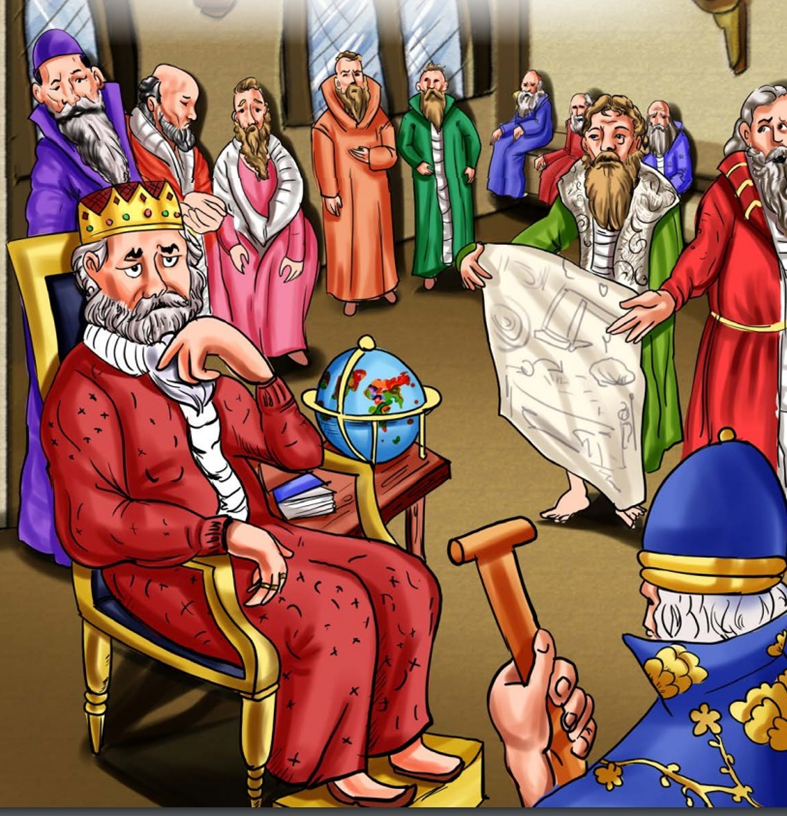
एक बार एक राजा के मन में तीन प्रश्न उठे - 

(1) जीवन का सबसे महत्त्वपूर्ण व उचित समय कौनसा होता है

(2) सबसे महत्त्वपूर्ण व्यक्ति कौन होता है जिसके सान्निध्य में रहना चाहिए ? और 

(3) सबसे महत्त्वपूर्ण कर्त्तव्य कौनसा होता है

ये प्रश्न दिमाग में आते ही उसने राज्य भर में ढिंढोरा पिटवा दिया कि जो भी व्यक्ति मेरे इन प्रश्नों का समाधान करेगा उसे मैं बहुत बड़ा पुरस्कार दूंगा. यह समाचार पाते ही राज्य भर से पंडित और ज्ञानी लोग राजा के पास आने लगे और अपने अपने उत्तर बताने लगे. पहले प्रश्न के उत्तर में किसी ने कहा कि राजा को ज्योतिष के हिसाब से समय निकलवाना चाहिए तो किसी ने कहा कि किसी भी काम के लिए सबसे उचित समय का निर्धारण असंभव है. एक ने सुझाव दिया कि किसी कार्य के उचित समय निर्धारण के लिए पंडितों की एक समिति बना देनी चाहिएजो राजा को सलाह दे. राजा के दूसरे प्रश्न का उत्तर भी भिन्न भिन्न प्राप्त हुआ. किसी ने कहा राजा को मंत्रियों के साथ रहना चाहिएतो किसी ने पुरोहितों के साथ रहना श्रेयस्कर बताया. किसी ने वैद्यों के साथ रहने सलाह दी तो किसी ने सैनिकों के साथ. इसी प्रकार तीसरे प्रश्न के उत्तर में किसी ने राजा को विज्ञान पर अधिक ध्यान केन्द्रित करने को कहा तो किसी ने युद्ध कौशल को आवश्यक बताया. एक ने कहा, ईश्वर आराधना सबसे आवश्यक कर्त्तव्य है और राजा को वही करना चाहिए.

बहरहालइन सब भिन्न भिन्न उत्तरों से राजा संतुष्ट नहीं हुआ और किसी को भी पुरस्कार नहीं दिया गया. एक दिन राजा को पता चला कि उसके राज्य में स्थित वन में एक बड़ा ज्ञानी साधु रहता है. किन्तु वह साधु वन से कभी बाहर नहीं आता और न ही किसी बड़े आदमी से भेंट करता है. यह पता चलने पर राजा ने एक दिन साधारण मनुष्य का वेष बनाया और साधु की कुटिया के पास जा पहुंचा. उसने अपना घोड़ा और अंगरक्षकों को काफी दूर छोड़ दिया तथा उन्हें निर्देश दिया कि किसी भी हालत में साधु की कुटिया के पास ना आयें.

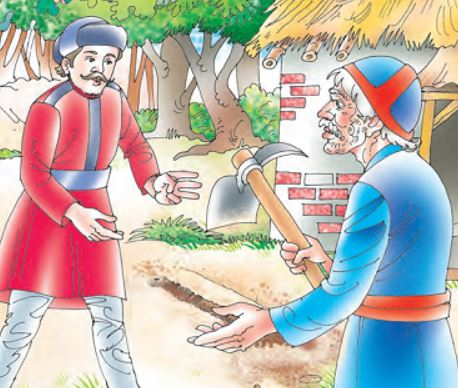
जिस समय राजा वहाँ पहुंचासाधु अपनी कुटी के सामने धरती खोद रहा था. साधु ने आगंतुक को देखकर अभिवादन किया परन्तु अपने काम में लगा रहा. वह एक कृशकाय कमजोर सा व्यक्ति था और थोड़ी थोड़ी देर कुदाली चलाने के बाद दम लेने के लिए रुक जाता था. राजा ने उसके पास जाकर कहा - "महात्मन ! मैं आपके पास तीन प्रश्नों के उत्तर पाने की आशा से आया हूँ. मैं किस प्रकार से उचित कार्य उचित समय पर कर सकता हूँकिस प्रकार के मनुष्यों की मुझे सबसे अधिक आवश्यकता है और कौनसा कार्य सबसे अधिक आवश्यक हैये निर्धारण कैसे करूं ?" 

साधु ने राजा के प्रश्न सुने परन्तु कोई उत्तर नहीं दिया और अपना काम करता रहा. थोड़ी देर बाद वह थककर बैठ गया तो राजा ने कहा - "आप थक गए हैं. आप कुदाली मुझे दे दीजियेजब तक आप विश्राम करते हैं तब तक आपका काम मैं कर देता हूँ." साधु ने धन्यवाद करते हुए कुदाली राजा को दे दी. राजा ने कुदाली हाथ में ली और क्यारियाँ खोदने लगा. दो क्यारियाँ खोदने के बाद राजा ने अपने प्रश्न फिर दुहराए परन्तु साधु ने फिर भी कोई उत्तर नहीं दिया. उसने राजा से कुदाली लेने के लिए हाथ बढ़ाया किन्तु राजा ने यह कहते हुए मना कर दिया कि आप विश्राम कर लीजियेयह काम मेरे लिए ज्यादा कठिन नहीं है. इस तरह राजा दोपहर से लेकर शाम तक क्यारियाँ खोदता रहा और बीच-बीच में साधु से अपने प्रश्नों को दोहराता रहा परन्तु उसे कोई उत्तर नहीं मिला. अंत में राजा ने खीझकर कुदाली जमीन में पटक दी और साधु से कहा - "महात्मन ! मैं यहाँ अपने प्रश्नों के उत्तर पाने की आशा में आया था. यदि आप उत्तर नहीं देना चाहते हैं तो वैसा कह दीजिये ताकि मैं अपने घर जाऊं." दूसरी दिशा में देखता हुआ साधु बोला - "वो देखो कोई भागता हुआ चला आ रहा है... आओ देखें कौन है ?" 

राजा ने घूमकर देखा कि एक दढ़ियल आदमी जंगल से भागा चला आ रहा है. उसने अपने हाथों से अपना पेट दबाया हुआ है और उसके हाथों के नीचे से खून टपक रहा है. वह आदमी कुटिया के पास आकर रुका और राजा की ओर देखकर अस्फुट शब्दों में कुछ बोला और फिर मूर्छित होकर गिर पड़ा. राजा और साधु ने मिलकर उसके कपडे खोले. उसके पेट में घाव था जिससे रक्त बह रहा था. राजा और साधु दोनों उसकी देखभाल करने में जुट गए और थोड़ी देर बाद किसी तरह उसका रक्त बहना रोकने में सफल हो गए. थोड़ी देर बाद उस आदमी को थोडा होश आया. राजा ने उसे पानी पिलाया और उसके घाव की खून की भीगी पट्टी खोलकर उस पर नई पट्टी की. दोनों लोग उस आदमी को कुटी के भीतर ले गए और लिटा दिया. राजा रात भर उस आदमी की तीमारदारी में लगा रहा. 

भोर होने के कुछ पहले उसे नींद का एक झोंका आया और वह कुछ देर के लिए सो गया. राजा जब जागा तो उसने देखा कि अपरिचित दढ़ियल व्यक्ति बिस्तर पर लेटा उसकी ओर एकटक देख रहा है. राजा को जागा हुआ देखकर वह विनीत स्वर में बोला - "मुझे क्षमा कर दीजिये." राजा ने कहा - "मैं तुम्हें जानता भी नहीं हूँफिर तुमने मेरा कोई अपराध भी नहीं किया है, जिसके लिए मैं तुम्हें क्षमा कर दूँ." "तुम मुझे नहीं जानते हो लेकिन मैं तुम्हें जानता हूँ. मैं तुम्हारा वह शत्रु हूँ, जिसने तुमसे बदला लेने की प्रतिज्ञा की थी. तुमने मेरे भाई को प्राणदंड दिया था और उसकी संपत्ति जब्त कर ली थी." अपरिचित बोला, "मुझे पता चला कि तुम साधु के पास अकेले गए हो तब मैंने निश्चय किया कि जब तुम लौट रहे होगे मैं तुम्हारी हत्या कर दूंगा. मैं पूरा दिन जंगल में छिपा रहा पर तुम लौटे नहीं. इसी बीच तुम्हारे अंगरक्षकों ने मुझे देख लिया और मुझे पहचान कर घायल कर दिया. "मैं उनसे बचकर भाग तो अवश्य आया परन्तु यदि तुमने मेरी पट्टी और रातभर देखभाल न की होती तो आज मैं अवश्य मर जाता. मैं तुम्हें मारना चाहता था और तुमने मेरी जान बचाई. इसलिए मैं आपसे क्षमा मांगता हूँ. यदि आप मुझे जीवनदान देंगे तो मैं आपका दास बन रहूँगा." 

इस तरह अपने एक गुप्त शत्रु के सहज ही में मित्र बन जाने से राजा को बड़ी प्रसन्नता हुई. राजा ने उसे क्षमा कर दिया और कहा कि वह अपने वैद्य से उसका उपचार कराएगा और उसके भाई की जब्त की हुई संपत्ति वापस कर देगा. राजा उस घायल व्यक्ति से विदा लेकर कुटिया के बाहर आया और साधु को देखने लगा. देखा कि साधु कुदाली लेकर क्यारियों में अपने काम में जुटा हुआ है. राजा उसके पास आकर बोला - "हे ज्ञानी पुरुषअपने प्रश्नों के उत्तर के लिए मैं आपसे अंतिम बार प्रार्थना करता हूँ." साधु ने कुदाली रोककर राजा की ओर देखा और कहा - "तुम्हें अपने प्रश्नों का उत्तर मिल चुका है." राजा ने पूछा - "क्या उत्तर मिला ? साफ़ साफ़ कहिये."

साधु बोला - "तुम समझ नहीं पाए ? देखोकल यदि मेरी दुर्बलता पर तुम तरस न खाते और क्यारियाँ खोदे बिना ही चले जाते तो वह व्यक्ति तुम पर आक्रमण करता और अगर जिंदा रहते तो इस समय पछताते होते कि हाय मैं साधु के पास क्यों नहीं रुक गया. तो तुम्हारा सबसे मूल्यवान समय वह था जब तुम धरती खोद रहे थे. तुम्हारे लिए सबसे आवश्यक व्यक्ति मैं था और मेरा उपकार करना तुम्हारा परम कर्त्तव्य था. 

फिर जब वह व्यक्ति घायल होकर आया, तब तुम्हारा सबसे मूल्यवान समय वह था जब तुम उसकी सेवा सुश्रूषा कर रहे थे. यदि तुम उसके घावों पर पट्टी नहीं बांधते तो हो सकता है, वह तुम्हारे प्रति शत्रु भाव लिए ही मर जाता. या जिंदा भी रहता तो तुम्हारा शत्रु ही रहता. उस समय वही व्यक्ति तुम्हारे लिए परमावश्यक था और उसकी सुश्रूषा करना तुम्हारा परम कर्त्तव्य. इसलिए हे राजन ! याद रखो कि वर्तमान समय ही सबसे महत्त्वपूर्ण समय है. ये महत्त्वपूर्ण इसलिए भी है क्योंकि केवल इसी समय पर तुम्हें अधिकार है. सबसे महत्त्वपूर्ण और आवश्यक व्यक्ति वही है जिसके साथ तुम वर्तमान में हो, क्योंकि कोई नहीं जानता कि भविष्य में तुम्हारी भेंट किसी और से होगी या नहीं. और उसका उपकार करना ही तुम्हारा परम कर्त्तव्य है, क्योंकि  मनुष्य इसी निमित्त संसार में जन्म लेता है|


The last Lesson Class 12 Summary


On a beautiful day in a village in nineteenth-century Alsace-Lorraine, a region of France, the young schoolboy Franz, is in a rush to get to class. He is particularly anxious because he has not learned the French grammar lesson he was assigned by his stern teacher, M. Hamel. Resisting the temptation to skip school and linger outdoors, where Prussian soldiers are drilling, Franz passes the town hall. There, he sees a crowd congregated around the bulletin-board. Something must be wrong: the Prussian forces occupying the region communicate their oppressive commands to the subjugated French villagers through the bulletin-board.

But Franz has no time to stop and check. He rushes on his way, finally arriving to find the school eerily free from the commotion that normally marks the beginning of the day. Blushing, Franz enters the classroom under the gaze of the students who have already assembled at their desks. To his surprise, M. Hamel teacher speaks to him kindly, simply telling him to take his seat.

Franz notices that his teacher is wearing a beautiful green coat and shirt—clothes for a special occasion—and that elder villagers have assembled at the back of the room. As Franz tries to make sense of it all, M. Hamel makes a shocking announcement: this will be the last lesson that he will give. From tomorrow onwards, the teaching of French will be banned, under orders of the Prussian authorities.

Franz, like everyone else in the room, is devastated. He realizes that this is the news that had been posted on the bulletin-board outside the town hall. The knowledge that he must stop learning his own language—which he has hardly begun to master—gives him a new appreciation for his education, and he regrets all the time he spent procrastinating on his school work.

The moment that Franz has dreaded arrives: he is called on by M. Hamel to recite the grammatical rule he was meant to learn. Franz stumbles and stammers. M. Hamel, rather than scolding Franz, uses the opportunity to lecture the gathered crowd on the evils of neglecting their education. It is this neglect, he says, that now allows the Prussian invaders to question the villagers’ French identity. How can the villagers claim to be French, he says, when they don’t even know their own language?

M. Hamel goes on to extol the beauties of the French language, telling the class that they must guard it carefully, for it is the key to their freedom. He explains the grammar lesson to the class, and Franz finds himself listening more intently than he ever has before. For the lesson in writing, M. Hamel has the class write out the words “France, Alsace,” over and over again. Everyone in the room applies themselves to the exercise with diligence and concentration.The church-bell strikes twelve, and the trumpets of the Prussian soldiers sound, marking the end of their drilling exercises. It is the end of the last lesson. M. Hamel, pale, turns to the blackboard and writes in large letters, “Vive La France!” With a gesture of his hand, he dismisses the class.

CHARACTER SKETCHES:

Franz:

1.     Careless

2.     Conscious of his duties

3.     Admirer of nature

4.     Observant

5.     Sensitive and innocent

6.     Thinker.

M. Hamel :

1.     French teacher

2.     Strict

3.     Selfish at times

4.     Honest and Sensitive man

5.     Proud of being French

6.     Passionate about the French language

मां काली करती हैं असुरों का संघर

माँ काली करती हैं असुरों का संहार, पर असुर कौन है, सोचो ज़रा बार-बार। क्या वह नहीं, जो जीवों का खून बहाते, निर्दोष प्राणियों की बलि चढ़ाते प...